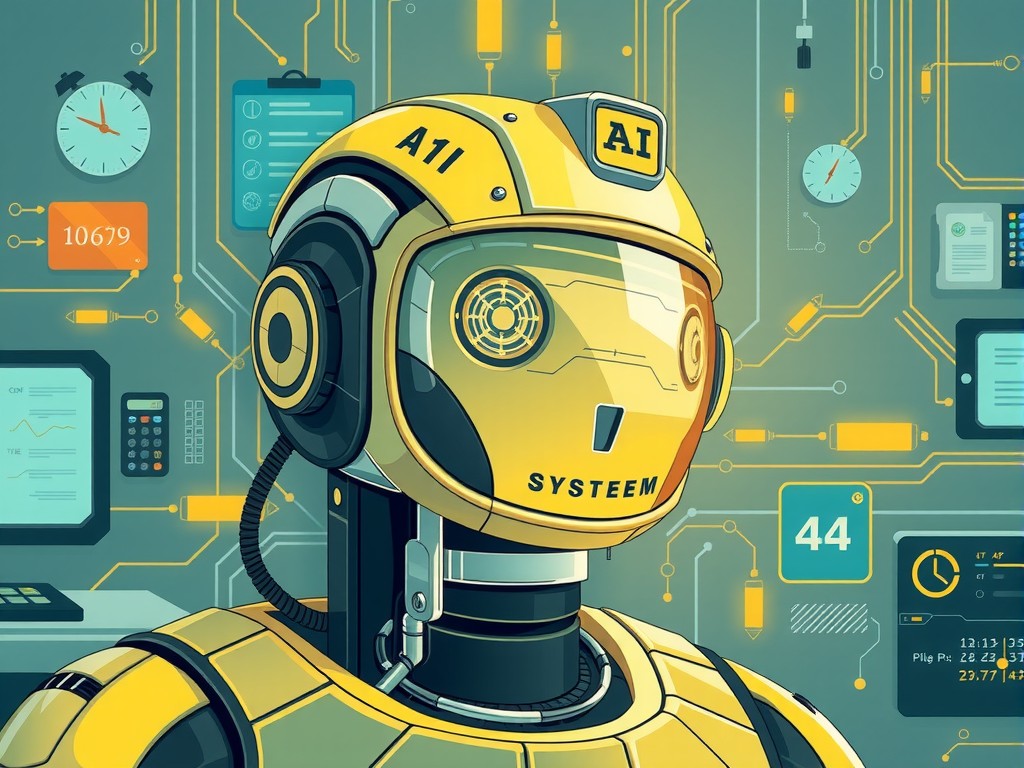
The rise of artificial intelligence (AI) has revolutionized the way we design and build digital products. One of the most significant advancements in this area is the emergence of AI-generated design systems. These systems use machine learning algorithms to create and manage design elements, such as user interfaces, typography, and color schemes, with unprecedented efficiency and consistency. In this article, we will delve into the world of AI-generated design systems, exploring their key concepts, practical implications, and real-world applications.
Key concepts
To understand AI-generated design systems, it's essential to grasp the underlying concepts that drive them. At the heart of these systems lies the idea of design tokens. Design tokens are small, discrete units of design that can be reused across an application or product. They can include elements such as colors, typography, spacing, and button styles. By defining these tokens, designers can create a consistent visual language that is easily scalable and maintainable.
Another crucial concept in AI-generated design systems is the use of machine learning algorithms. These algorithms allow the system to learn from large datasets and generate design elements based on patterns and relationships within that data. This approach enables the system to create designs that are not only consistent but also contextually relevant.
Design Tokens and Machine Learning
To illustrate the relationship between design tokens and machine learning, let's consider a hypothetical example. Imagine a company that wants to create a new mobile app. The design team defines a set of design tokens that include a primary color, secondary color, typography, and button styles. These tokens are then fed into a machine learning algorithm that analyzes a large dataset of similar mobile apps. The algorithm learns the patterns and relationships between the design elements and generates a new design that is consistent with the defined tokens but also takes into account the unique characteristics of the company's brand.
The use of machine learning algorithms in AI-generated design systems also enables the creation of design systems that can adapt to different contexts and devices. For instance, a design system might generate a different layout and typography for a mobile app versus a desktop application. This level of flexibility and adaptability is a significant advantage of AI-generated design systems.
Practical implications
The practical implications of AI-generated design systems are far-reaching and multifaceted. One of the most significant benefits is the ability to create consistent and scalable designs across an organization. By defining a set of design tokens and using machine learning algorithms to generate designs, companies can ensure that their brand identity is preserved across all touchpoints and devices.
Another key implication is the potential for increased efficiency and productivity. With AI-generated design systems, designers can focus on higher-level creative decisions, such as user experience and interaction design, rather than spending hours tweaking design elements. This shift in focus can lead to faster time-to-market and reduced development costs.
Design Systems and Team Collaboration
AI-generated design systems also have a profound impact on team collaboration and communication. By providing a clear and consistent visual language, design systems enable designers, developers, and product managers to work together more effectively. Designers can create designs that are easily understandable and implementable by developers, while product managers can ensure that the design aligns with business goals and user needs.
How it works in practice
To illustrate the practical application of AI-generated design systems, let's consider a real-world example. A company called Automattic, the maker of WordPress.com, has developed an AI-generated design system called "Design System as Code" (DSaC). DSaC uses machine learning algorithms to generate designs based on a set of predefined design tokens. The system allows designers to create custom designs that are consistent with the company's brand identity but also adaptable to different devices and contexts.
The DSaC system has several key components, including a design token repository, a machine learning model, and a design generator. The design token repository stores a set of predefined design tokens, such as colors, typography, and spacing. The machine learning model analyzes a large dataset of WordPress.com designs and learns the patterns and relationships between the design elements. The design generator then uses this model to create new designs based on the defined tokens and context.
Benefits of DSaC
The benefits of DSaC are numerous. By using AI-generated design systems, Automattic has been able to create consistent and scalable designs across its products and services. The system has also enabled designers to focus on higher-level creative decisions, such as user experience and interaction design, rather than spending hours tweaking design elements. Additionally, DSaC has improved team collaboration and communication by providing a clear and consistent visual language.
FAQ
Q: What is the difference between AI-generated design systems and traditional design systems?
A: AI-generated design systems use machine learning algorithms to create and manage design elements, whereas traditional design systems rely on manual design and implementation. AI-generated design systems offer greater efficiency, consistency, and scalability.
Q: How do AI-generated design systems adapt to different contexts and devices?
A: AI-generated design systems use machine learning algorithms to learn the patterns and relationships between design elements and generate designs that are contextually relevant. This enables the system to adapt to different devices, screen sizes, and user needs.
Q: Can AI-generated design systems replace human designers?
A: AI-generated design systems are designed to augment human designers, not replace them. By automating repetitive and mundane tasks, AI-generated design systems enable designers to focus on higher-level creative decisions and user experience.
Conclusion
AI-generated design systems are a revolutionary technology that is transforming the way we design and build digital products. By using machine learning algorithms to create and manage design elements, these systems offer greater efficiency, consistency, and scalability. While there are still challenges to overcome, the potential benefits of AI-generated design systems are vast and multifaceted. As the technology continues to evolve, we can expect to see even more innovative applications and real-world examples of its power.