The advent of Artificial Intelligence (AI) has transformed the way we live, work, and interact with one another. One of the most significant developments in the AI landscape is the emergence of AI-generated content, which has revolutionized industries such as marketing, media, and entertainment. However, a crucial aspect of this phenomenon has gone largely unnoticed: the pricing of AI-generated content is plummeting. In this article, we'll delve into the world of AI generation pricing and explore the reasons behind this downward trend.
Key concepts
To understand why AI generation pricing keeps falling, it's essential to grasp the underlying concepts. AI-generated content refers to any type of creative output produced by artificial intelligence algorithms, such as text, images, videos, or music. These algorithms are trained on vast amounts of data, which enables them to learn patterns and generate content that's often indistinguishable from human-created material.
One of the primary drivers of AI generation pricing is the concept of economies of scale. As more companies adopt AI technology, the overall market demand for AI-generated content increases. This, in turn, leads to a decrease in prices, as suppliers struggle to maintain their profit margins in the face of intense competition. Additionally, the cost of developing and training AI algorithms has decreased significantly over the years, making it more accessible for businesses to invest in AI-generated content.
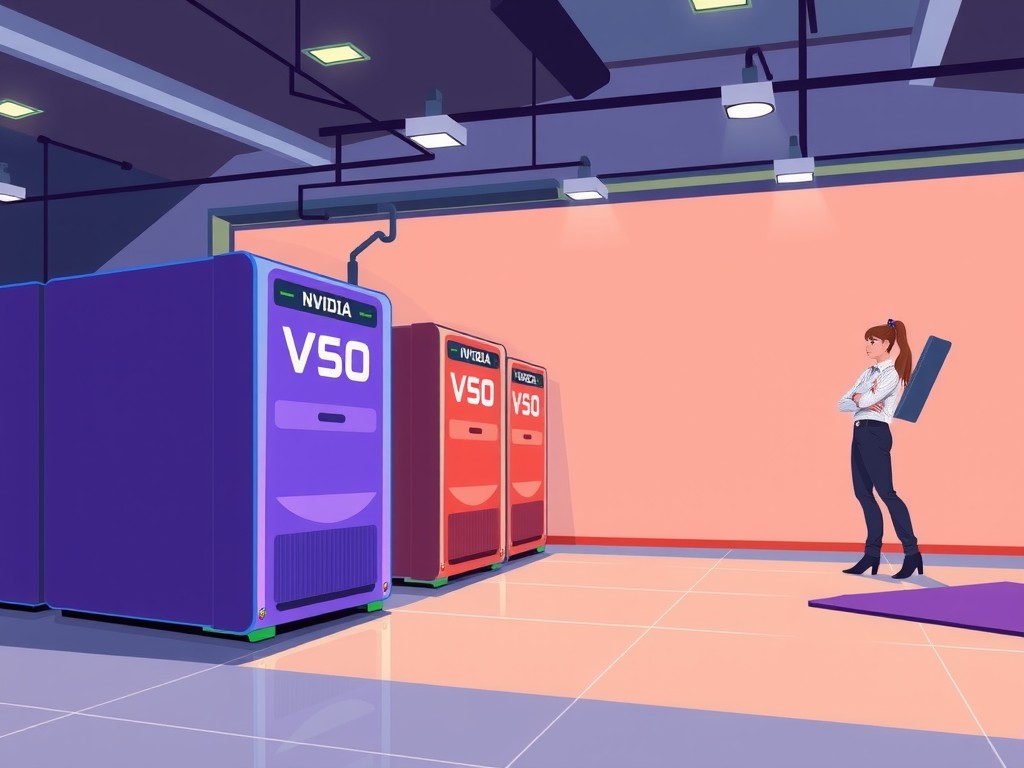
Another crucial factor is the rise of cloud computing and the proliferation of data centers. These infrastructure advancements have enabled companies to process and store vast amounts of data at a fraction of the cost, making AI-generated content more affordable. Furthermore, the emergence of specialized AI chips and hardware has improved the efficiency and speed of AI processing, allowing for faster and more accurate content generation.
Practical implications
The falling price of AI-generated content has far-reaching implications for various industries. For marketers, AI-generated content provides an affordable way to produce high-quality materials, such as blog posts, social media posts, and product descriptions. This, in turn, enables businesses to focus on more creative and strategic aspects of their marketing efforts, rather than dedicating resources to content creation.
In the media and entertainment industry, AI-generated content is being used to produce high-quality visuals, animations, and even entire films. This has opened up new opportunities for independent creators and filmmakers, who can now produce complex and engaging content without the need for large budgets.
However, the decline in AI generation pricing also raises concerns about the potential for content homogenization and the loss of human touch. As AI-generated content becomes increasingly prevalent, there's a risk that the unique perspectives and talents of human creatives will be lost in the process.
The human factor
While AI-generated content is becoming more sophisticated, it still lacks the emotional depth and nuance that human creatives bring to the table. Human writers, artists, and musicians have a unique ability to tap into their experiences, emotions, and perspectives, which are essential elements of compelling content.
Moreover, human creatives are not just content generators; they're also problem solvers, strategists, and innovators. They can adapt to changing market trends, identify new opportunities, and push the boundaries of what's possible. While AI algorithms can process vast amounts of data, they lack the creative intuition and critical thinking skills that human creatives possess.
How it works in practice
Let's take a closer look at how AI-generated content is being used in real-world scenarios. Imagine a marketing team at a mid-sized e-commerce company, tasked with creating a social media campaign to promote their new product line. In the past, they would have had to hire a team of writers, designers, and videographers to produce the necessary content. However, with the advent of AI-generated content, they can now use algorithms to produce high-quality visuals, animations, and even entire marketing campaigns.
The process begins with the marketing team providing the AI algorithm with a brief and a set of guidelines. The algorithm then uses this information to generate a range of content options, which are reviewed and refined by the marketing team. This collaborative process enables the team to produce high-quality content that meets their needs and goals.
Case study: AI-generated music
In the music industry, AI-generated content is being used to produce high-quality music tracks. One company, Amper Music, has developed an AI algorithm that can generate original music tracks in a matter of minutes. The process begins with the user selecting a genre, tempo, and mood, which the algorithm uses to generate a unique musical composition.
The algorithm draws upon a vast library of musical patterns, melodies, and harmonies to create a cohesive and engaging track. The user can then refine the track by adjusting parameters such as tempo, volume, and instrumentation. This level of control enables the user to produce high-quality music that meets their needs and goals.
FAQ
Q: Is AI-generated content going to replace human creatives?
A: Not necessarily. While AI-generated content is becoming increasingly sophisticated, it still lacks the emotional depth and nuance that human creatives bring to the table. Human writers, artists, and musicians have a unique ability to tap into their experiences, emotions, and perspectives, which are essential elements of compelling content.
Q: Can AI-generated content be used for high-end creative projects?
A: Yes, AI-generated content is being used in high-end creative projects, such as film and television production. However, the quality and sophistication of AI-generated content are still limited by the algorithms used to create it. Human creatives are often required to refine and edit AI-generated content to ensure it meets the highest standards.
Q: Is AI-generated content free from bias and error?
A: No, AI-generated content is not immune to bias and error. AI algorithms can perpetuate existing biases and stereotypes if they're trained on biased data. Moreover, AI-generated content can also be prone to errors and inaccuracies if the algorithms are not properly trained or refined.
Conclusion
The falling price of AI-generated content is a game-changer for industries such as marketing, media, and entertainment. However, it's essential to recognize the limitations and potential pitfalls of AI-generated content. By understanding the key concepts and practical implications of AI generation pricing, we can harness the power of AI to create high-quality content while preserving the unique talents and perspectives of human creatives.
As AI-generated content continues to evolve and improve, it's crucial to strike a balance between the benefits of automation and the value of human creativity. By embracing this synergy, we can unlock new opportunities for innovation, collaboration, and artistic expression.