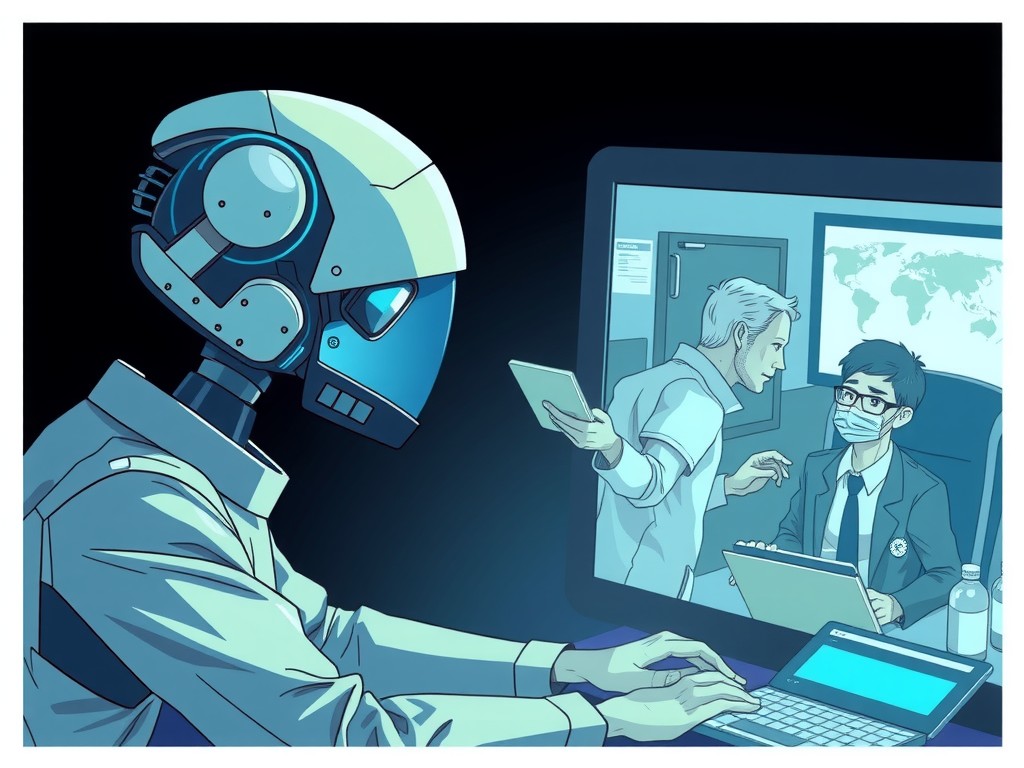
The advent of artificial intelligence (AI) has revolutionized the way we create images, from realistic portraits to stunning landscapes. AI image generation tools, such as those based on Generative Adversarial Networks (GANs) and Variational Autoencoders (VAEs), have made it possible for anyone to produce high-quality images with minimal effort. However, as with any powerful tool, there's a catch. AI image generation mistakes can have devastating consequences, from ruining a brand's reputation to deceiving the public with fake news. In this article, we'll delve into the world of AI image generation mistakes, exploring the key concepts, practical implications, and real-life scenarios that highlight the importance of accuracy and transparency.
Key concepts
To understand the mistakes that can occur in AI image generation, it's essential to grasp the underlying concepts. AI image generation tools use machine learning algorithms to create images from scratch or modify existing ones. These algorithms are trained on vast datasets of images, which they learn to recognize patterns and relationships. However, this training data can be biased, incomplete, or even malicious, leading to errors in the generated images.
One of the primary concerns with AI image generation is the lack of transparency. These tools often operate behind a veil of complexity, making it difficult to understand how they arrive at their results. This opacity can lead to a lack of accountability, as it's challenging to identify the source of errors or biases. Furthermore, the reliance on machine learning algorithms means that AI image generation tools can perpetuate existing societal biases, such as racial or gender stereotypes.
Another critical aspect of AI image generation is the concept of "hallucinations." These occur when the algorithm generates an image that doesn't exist in the training data, often due to the model's attempts to fill in gaps or extrapolate patterns. While hallucinations can be creative and even artistic, they can also be misleading or false. In the context of AI image generation, hallucinations can lead to the creation of fake or manipulated images that deceive the public.
Practical implications
Practical implications
The consequences of AI image generation mistakes can be severe, impacting various industries and aspects of our lives. In the realm of advertising and marketing, AI-generated images can be used to create fake or misleading ads, potentially harming a brand's reputation or deceiving consumers. For instance, a company might use AI-generated images to create fake reviews or testimonials, which can be exposed as fabrications, leading to a loss of trust and revenue.
In the media and journalism, AI image generation mistakes can perpetuate fake news and disinformation. With the rise of AI-generated images, it's becoming increasingly challenging to distinguish between real and fake content. This can lead to the spread of misinformation, which can have serious consequences, such as influencing public opinion or even contributing to the erosion of trust in institutions.
In the field of art and design, AI image generation mistakes can be seen as a form of creative failure. While AI-generated images can be stunning and innovative, they can also be flawed or inaccurate. For instance, an artist might use AI to generate a portrait, only to discover that the image contains errors or biases that undermine the intended message.
How it works in practice
To illustrate the potential consequences of AI image generation mistakes, let's consider a few scenarios:
Imagine a company using AI-generated images to create fake product reviews on social media. The algorithm creates images that appear to show satisfied customers using the product, but in reality, these images are fabricated. The company's advertising campaign might seem convincing, but the fake reviews can be exposed as fabrications, damaging the brand's reputation and leading to a loss of revenue.
In another scenario, a journalist uses AI-generated images to illustrate a news article about climate change. The algorithm creates images that appear to show devastating environmental damage, but in reality, these images are exaggerated or manipulated. The article might seem compelling, but the fake images can perpetuate misinformation and undermine the credibility of the journalist and the publication.
In the world of art and design, an artist uses AI to generate a portrait of a historical figure. The algorithm creates an image that appears to be a realistic representation of the individual, but in reality, the image contains errors or biases that undermine the intended message. The artwork might be seen as a creative failure, but it can also be a commentary on the limitations and potential pitfalls of AI image generation.
Addressing the issue
So, what can be done to mitigate the risks of AI image generation mistakes? Here are a few potential solutions:
1. Transparency: Developers and users of AI image generation tools must prioritize transparency, providing clear explanations of how the algorithm works and what data it's trained on. This can help identify potential biases or errors and enable users to make informed decisions.
2. Validation: AI-generated images should be thoroughly validated to ensure accuracy and authenticity. This can involve manual review, fact-checking, and verification of sources.
3. Regulation: Governments and regulatory bodies must establish clear guidelines and regulations for the use of AI image generation tools, particularly in industries where accuracy and transparency are critical, such as advertising and journalism.
4. Education: Educators and professionals must educate users about the potential pitfalls of AI image generation and the importance of accuracy and transparency. This can involve workshops, training programs, and online resources.
FAQ
Q: Can AI image generation tools be completely trusted?
A: No, AI image generation tools are not foolproof. While they can produce high-quality images, they can also contain errors or biases that undermine accuracy and authenticity.
Q: How can I verify the accuracy of AI-generated images?
A: To verify the accuracy of AI-generated images, look for clear explanations of how the algorithm works, check the sources and data used for training, and manually review the image for errors or biases.
Q: Can AI image generation tools be used for malicious purposes?
A: Yes, AI image generation tools can be used for malicious purposes, such as creating fake news or manipulated images. This highlights the importance of regulation, transparency, and education.
Conclusion
AI image generation mistakes can have far-reaching consequences, from harming a brand's reputation to perpetuating fake news and disinformation. As AI image generation tools become increasingly sophisticated, it's essential to prioritize transparency, validation, regulation, and education. By understanding the potential pitfalls of AI image generation and taking steps to mitigate these risks, we can ensure that these powerful tools are used responsibly and for the greater good.