AI Trends in 2026: What’s Next for Content and Images
Admin
Introduction
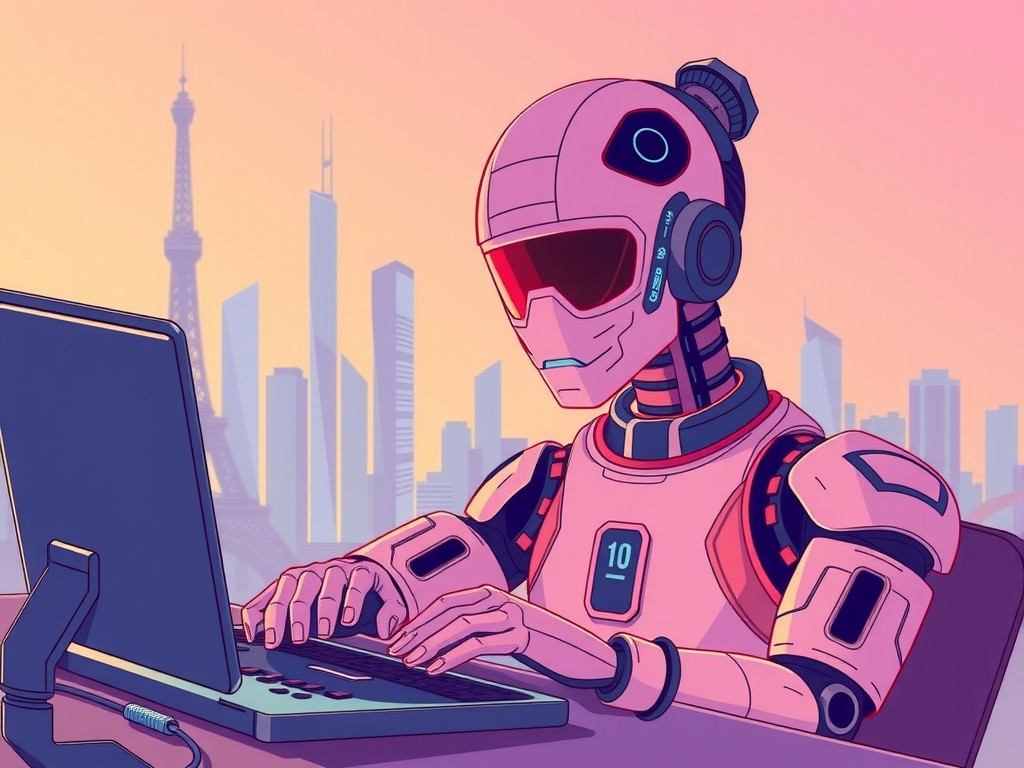
As we delve into the realm of artificial intelligence (AI), it's becoming increasingly clear that its impact on content and images will only continue to grow in the years to come. The AI trends of 2026 are already starting to shape the way we create, consume, and interact with visual and written content. In this article, we'll take a closer look at what's next for content and images, exploring the key concepts, practical implications, and real-world applications of AI in this space.
Key Concepts
To understand the AI trends of 2026, it's essential to grasp the fundamental concepts driving this technology. At its core, AI involves training algorithms on vast amounts of data, allowing them to learn patterns and make predictions or decisions based on that data. In the context of content and images, AI can be applied to a range of tasks, from generating text and images to analyzing and optimizing existing content.
One key concept is the idea of generative AI, which enables machines to create new, original content that's often indistinguishable from human-created work. This can include text, images, audio, and even video. Generative AI has far-reaching implications for industries such as media, advertising, and education, where high-quality content is a key differentiator.
Another crucial concept is the role of deep learning, a subset of machine learning that involves training neural networks on large datasets. Deep learning has been instrumental in the development of AI-powered image recognition, natural language processing, and other applications that are transforming the way we interact with content and images.
Practical Implications
So, what does this mean for businesses, creatives, and consumers? In practical terms, the AI trends of 2026 will likely lead to a proliferation of AI-generated content, from social media posts and product descriptions to entire articles and even books. This raises questions about authorship, ownership, and the value of human creativity in a world where machines can produce high-quality content with ease.
In the world of advertising, AI-generated images and videos will become increasingly common, allowing brands to create personalized, targeted content that resonates with their audience. This will also lead to new opportunities for creative agencies and ad tech companies to develop AI-powered tools and platforms that can optimize and automate the advertising process.
How it Works in Practice
Let's take a closer look at how AI-generated content might play out in a real-world scenario. Imagine a fashion brand that wants to create a new social media campaign featuring models wearing their latest designs. Traditionally, this would involve hiring a photographer, model, and makeup artist to create a series of images that showcase the brand's aesthetic. However, with AI-generated content, the brand could use a platform like Adobe Fresco to create custom images that exactly match their desired look and feel.
Using a combination of deep learning and generative AI, the platform can analyze the brand's existing visual identity and create new images that are tailored to their specific needs. This might involve generating new models, backgrounds, and even clothing designs that exactly match the brand's style. The result is a seamless, high-quality campaign that's indistinguishable from human-created work.
Overcoming the Challenges
While AI-generated content holds tremendous promise, there are also potential challenges to consider. For one, there's the issue of authenticity – can we trust AI-generated content to be as accurate and reliable as human-created work? Additionally, there's the question of ownership and authorship, as machines take on more creative roles in the content creation process.
To overcome these challenges, it's essential to develop clear guidelines and regulations around AI-generated content. This might involve establishing standards for transparency and disclosure, as well as developing new business models that value and compensate human creatives for their skills and expertise.
FAQ
Q: What is the difference between AI-generated content and AI-optimized content?
A: AI-generated content refers to the creation of entirely new content, such as images, text, or audio, using machine learning algorithms. AI-optimized content, on the other hand, involves using AI to improve or enhance existing content, such as through image recognition or natural language processing.
Q: Will AI-generated content replace human creatives?
A: Not necessarily. While AI-generated content can produce high-quality work, it's unlikely to replace the creativity, empathy, and nuance that human creatives bring to the table. Instead, AI will likely augment and enhance the creative process, freeing up human creatives to focus on high-level tasks that require imagination and innovation.
Q: How will AI-generated content affect industries such as advertising and media?
A: The impact of AI-generated content on industries such as advertising and media will be significant. Brands will be able to create highly targeted, personalized content that resonates with their audience, while also reducing costs and increasing efficiency. However, this will also raise questions about the value of human creativity and the role of AI in the content creation process.
Conclusion
As we look to the future of content and images, it's clear that AI will play an increasingly important role in shaping the way we create, consume, and interact with visual and written content. While there are challenges to overcome, the potential benefits of AI-generated content are vast, from increased efficiency and cost savings to new opportunities for creativity and innovation.
As we navigate this rapidly evolving landscape, it's essential to prioritize transparency, disclosure, and fair compensation for human creatives. By doing so, we can harness the power of AI to create a brighter, more creative future for all.