Can You Sell AI-Generated Images? Legal Guidelines
Admin
Introduction
In recent years, artificial intelligence (AI) has become increasingly sophisticated, particularly in the realm of creative pursuits like art and writing. AI-generated images, for instance, have gained significant attention due to their uncanny resemblance to human-made masterpieces. However, the question remains: can you sell AI-generated images? While AI-generated art may seem like a new and exciting frontier, it's essential to consider the legal implications of creating, selling, and owning such works. In this article, we'll delve into the key concepts surrounding AI-generated images, their practical implications, and how they work in practice.
Key concepts
To begin with, it's crucial to understand what AI-generated images entail. These images are created using algorithms and machine learning models that can recognize and mimic patterns, styles, and even emotions found in human-made art. This process can involve various techniques, such as generative adversarial networks (GANs), neural style transfer, and deep learning-based image synthesis. While AI-generated images may appear authentic, they are, in fact, the product of complex mathematical calculations and data processing.
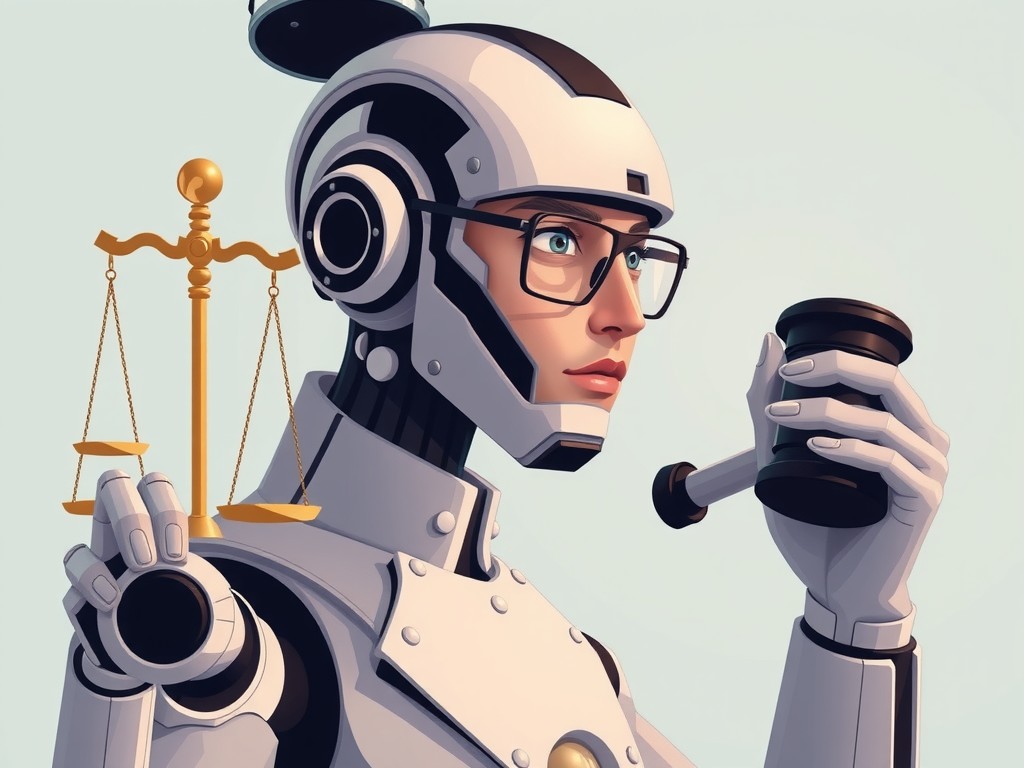
Another essential concept to grasp is the notion of authorship. Traditionally, art is created by a human being, and the artist is considered the author of the work. However, with AI-generated images, the question arises: who is the author? Is it the human who created the AI model, the AI model itself, or perhaps the algorithm that generated the image? This ambiguity surrounding authorship has significant implications for copyright law.
Furthermore, the concept of originality is also crucial when it comes to AI-generated images. If an AI model is trained on a dataset of existing images, can the resulting image be considered original? Or does the AI model simply reproduce existing works, albeit with some degree of variation? These questions highlight the complexities of determining originality in AI-generated art.
Practical implications
The practical implications of AI-generated images are multifaceted and far-reaching. For instance, if AI-generated images are considered original, what does this mean for the rights of the human who created the AI model? Do they retain ownership of the images generated by their model, or does the AI model itself become the author? This raises questions about the distribution of creative rights and the potential for AI-generated art to be used without permission.
Moreover, the practical implications of AI-generated images also extend to the art market. If AI-generated images are considered original, can they be sold as such? Would buyers be purchasing a unique work of art, or would they be buying a reproduction of an existing image? These questions highlight the need for clarity on the status of AI-generated images in the art market.
How it works in practice
To illustrate the complexities surrounding AI-generated images, let's consider a scenario. Imagine a human artist, Sarah, who creates an AI model trained on a dataset of her own artwork. The AI model generates images that are strikingly similar to Sarah's human-made art. Can Sarah sell these AI-generated images as her own work? Or does the AI model itself become the author, and Sarah simply the creator of the AI model?
In this scenario, the question of authorship becomes crucial. If Sarah is considered the author, does she retain ownership of the AI-generated images, or does the AI model itself become the author? This ambiguity highlights the need for clear guidelines on authorship and ownership in the context of AI-generated art.
Another scenario to consider is the use of AI-generated images in advertising and commercial contexts. Imagine a company that uses an AI model to generate images for their advertising campaigns. Can they claim ownership of these images, or do they need to attribute the work to the AI model itself? This raises questions about the role of AI in creative industries and the potential for AI-generated art to be used without permission.
FAQ
What is the current state of the law regarding AI-generated images?
The current state of the law regarding AI-generated images is unclear and evolving. While there are some court cases and legal precedents, there is no clear consensus on the status of AI-generated images. In the United States, for instance, the Copyright Office has stated that AI-generated images are not eligible for copyright protection, while in Europe, the European Union's Copyright Directive recognizes the rights of human creators over AI-generated works.
Can I sell AI-generated images as my own work?
It's not recommended to sell AI-generated images as your own work without proper attribution and disclosure. While AI-generated images may appear authentic, they are, in fact, the product of complex mathematical calculations and data processing. If you're unsure about the status of an AI-generated image, it's essential to seek legal advice to avoid potential copyright infringement.
Do I need to attribute AI-generated images to the AI model itself?
Yes, it's essential to attribute AI-generated images to the AI model itself. This not only acknowledges the role of the AI model in creating the image but also helps to establish a clear chain of ownership and authorship. By attributing AI-generated images to the AI model, you can avoid potential copyright infringement and ensure that the rights of the human creator are respected.
Can I use AI-generated images in my advertising campaigns?
It's essential to carefully consider the use of AI-generated images in your advertising campaigns. While AI-generated images may appear authentic, they can also be used without permission, potentially infringing on the rights of the human creator. To avoid potential copyright infringement, it's recommended to seek permission from the human creator or to use AI-generated images that are clearly attributed to the AI model itself.
Conclusion
The question of whether you can sell AI-generated images is complex and multifaceted. While AI-generated images may appear authentic, they are, in fact, the product of complex mathematical calculations and data processing. As the art market continues to evolve, it's essential to consider the implications of AI-generated images on authorship, ownership, and the distribution of creative rights. By seeking clarity on these issues, we can ensure that the rights of human creators are respected and that AI-generated art is used in a way that is fair and transparent.