Cloud GPU vs Dedicated GPU Servers: Cost Comparison
Admin
Introduction
The world of computing has undergone a significant transformation in recent years, with the advent of cloud computing and dedicated GPU servers. For individuals and organizations that rely heavily on graphics processing, the choice between these two options can be a crucial one. In this article, we will delve into the world of cloud GPU vs dedicated GPU servers, exploring the key concepts, practical implications, and real-world scenarios that will help you make an informed decision.
Key Concepts
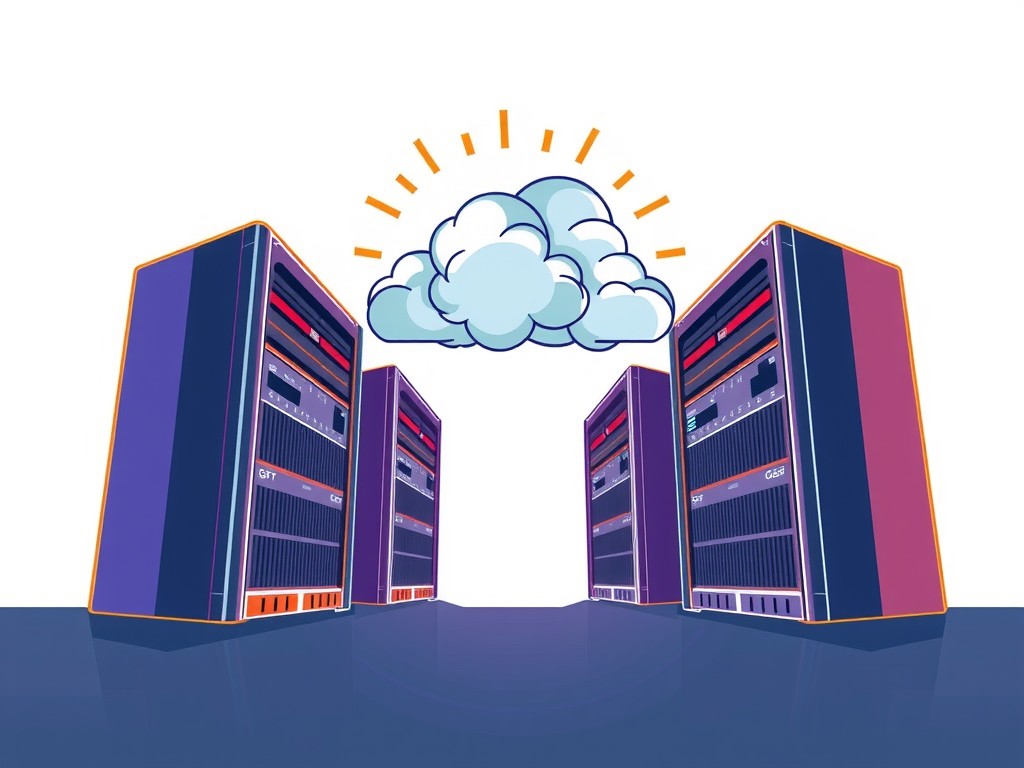
Before we dive into the comparison, it's essential to understand what cloud GPU and dedicated GPU servers are. Cloud GPU servers are virtual machines that provide access to remote graphics processing units (GPUs), allowing users to scale their computing resources as needed. These servers are typically hosted by cloud providers, such as Amazon Web Services (AWS) or Google Cloud Platform (GCP), and can be accessed through the internet. Dedicated GPU servers, on the other hand, are physical machines that are specifically designed for graphics processing and are typically used by organizations that require high-performance computing capabilities.
The main difference between cloud GPU and dedicated GPU servers lies in their deployment models. Cloud GPU servers are virtual, meaning they exist only in the cloud and can be scaled up or down as needed. Dedicated GPU servers, by contrast, are physical machines that are installed in a data center and can be customized to meet specific requirements. In terms of cost, cloud GPU servers typically offer a pay-as-you-go pricing model, where users only pay for the resources they use. Dedicated GPU servers, on the other hand, require a significant upfront investment, as well as ongoing maintenance and support costs.
Cost Comparison
One of the primary concerns for individuals and organizations is the cost of these two options. While cloud GPU servers offer a pay-as-you-go pricing model, dedicated GPU servers require a significant upfront investment. However, the cost of cloud GPU servers can add up quickly, especially for large-scale applications. According to AWS, the cost of a cloud GPU server can range from $0.25 to $2.50 per hour, depending on the instance type and region. For a dedicated GPU server, the cost can range from $5,000 to $20,000 or more, depending on the specifications and customization.
In terms of total cost of ownership (TCO), dedicated GPU servers tend to be more cost-effective in the long run. While the upfront investment may be higher, the cost per hour of usage is typically lower than cloud GPU servers. However, this depends on the specific requirements of the user and the level of customization needed. For organizations that require high-performance computing capabilities, dedicated GPU servers may be the more cost-effective option. For individuals or small businesses, cloud GPU servers may be a more viable option.
Practical Implications
The choice between cloud GPU and dedicated GPU servers has significant practical implications for individuals and organizations. For those who require high-performance computing capabilities, dedicated GPU servers may be the only option. However, for those who need to scale their computing resources quickly, cloud GPU servers may be a more viable option. In addition, cloud GPU servers offer a higher degree of flexibility and scalability, allowing users to quickly adjust their computing resources to meet changing demands.
For organizations that require high-performance computing capabilities, dedicated GPU servers may be the more cost-effective option. However, for those who need to scale their computing resources quickly, cloud GPU servers may be a more viable option. In addition, cloud GPU servers offer a higher degree of flexibility and scalability, allowing users to quickly adjust their computing resources to meet changing demands.
How it Works in Practice
To illustrate the practical implications of cloud GPU vs dedicated GPU servers, let's consider a real-world scenario. A video game developer is working on a new game that requires high-performance computing capabilities. They need to simulate complex graphics and physics, which requires a significant amount of GPU processing power. Initially, they use cloud GPU servers to test and develop the game, but as the game approaches launch, they realize they need more computing power to meet the demands of their users.
In this scenario, the developer could opt for cloud GPU servers, which would allow them to quickly scale up their computing resources to meet the demands of their users. However, as the game becomes more popular, the cost of cloud GPU servers adds up quickly. Alternatively, the developer could opt for dedicated GPU servers, which would provide a more stable and predictable computing environment. However, this would require a significant upfront investment, as well as ongoing maintenance and support costs.
FAQ
Q: What is the difference between cloud GPU and dedicated GPU servers?
A: The main difference between cloud GPU and dedicated GPU servers lies in their deployment models. Cloud GPU servers are virtual, meaning they exist only in the cloud and can be scaled up or down as needed. Dedicated GPU servers, by contrast, are physical machines that are installed in a data center and can be customized to meet specific requirements.
Q: How do I choose between cloud GPU and dedicated GPU servers?
A: The choice between cloud GPU and dedicated GPU servers depends on your specific requirements and budget. If you need high-performance computing capabilities and can afford the upfront investment, dedicated GPU servers may be the more cost-effective option. However, if you need to scale your computing resources quickly and can't afford the upfront investment, cloud GPU servers may be a more viable option.
Q: Can I use both cloud GPU and dedicated GPU servers?
A: Yes, you can use both cloud GPU and dedicated GPU servers depending on your specific requirements. For example, you could use cloud GPU servers for testing and development, and dedicated GPU servers for production.
Q: What are the benefits of cloud GPU servers?
A: The benefits of cloud GPU servers include scalability, flexibility, and cost-effectiveness. Cloud GPU servers allow you to quickly scale up or down your computing resources to meet changing demands, and you only pay for the resources you use.
Conclusion
In conclusion, the choice between cloud GPU and dedicated GPU servers depends on your specific requirements and budget. While dedicated GPU servers offer a more stable and predictable computing environment, cloud GPU servers offer a higher degree of flexibility and scalability. Ultimately, the decision between cloud GPU and dedicated GPU servers requires a careful analysis of your specific needs and budget. By understanding the key concepts, practical implications, and real-world scenarios, you can make an informed decision that meets your computing requirements.