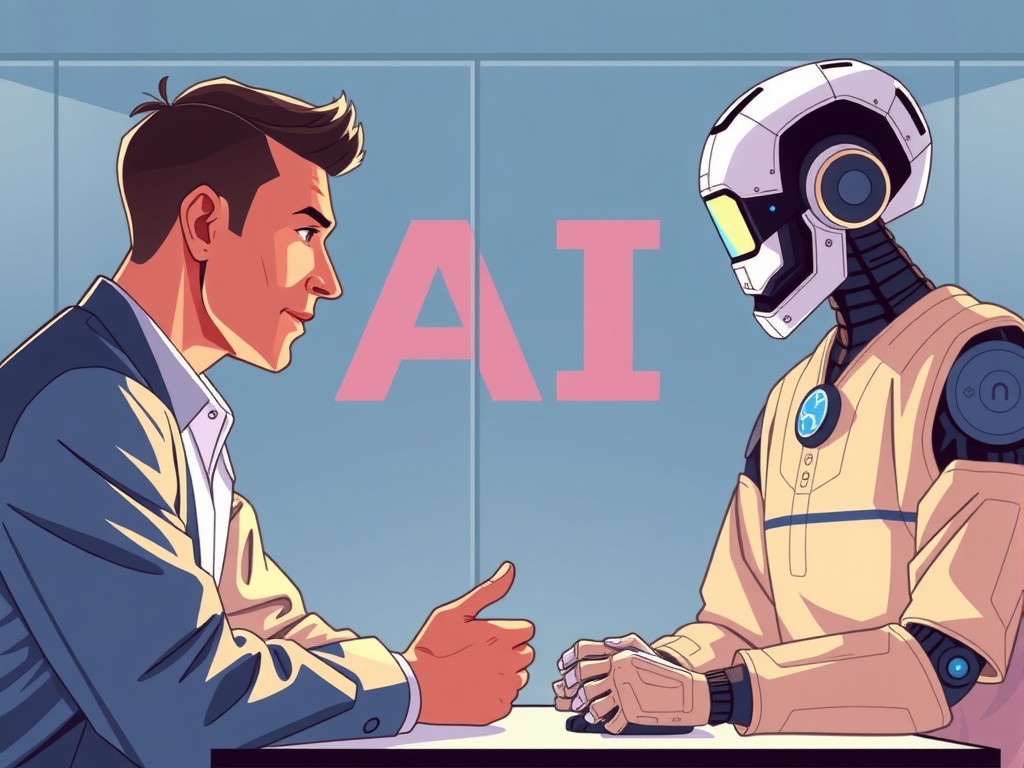
The digital landscape has been revolutionized by the rapid advancement of Artificial Intelligence (AI) technology, transforming the way businesses operate and interact with their customers. Agencies, in particular, have been at the forefront of this transformation, leveraging AI to scale their operations without the need for significant hiring. This phenomenon has far-reaching implications for the future of work, as it challenges traditional notions of employment and productivity. In this article, we'll delve into the world of AI and its applications in scaling agencies, exploring the key concepts, practical implications, and real-world examples that illustrate this trend.
Key Concepts
To understand how agencies use AI to scale without hiring, it's essential to grasp the underlying concepts. AI refers to the development of computer systems that can perform tasks that would typically require human intelligence, such as learning, problem-solving, and decision-making. Machine learning, a subset of AI, involves training algorithms to recognize patterns in data and make predictions or recommendations based on that data.
In the context of agencies, AI is often used to automate repetitive and time-consuming tasks, freeing up human resources to focus on high-value activities that require creativity, empathy, and critical thinking. This is where the concept of "augmenting" human capabilities comes in – AI is designed to complement human skills, rather than replace them.
Another crucial concept is "digital labor," which refers to the use of technology to perform tasks that would otherwise require human labor. Digital labor can take many forms, from chatbots and virtual assistants to automated content generation and data analysis. By harnessing digital labor, agencies can scale their operations without the need for significant hiring, reducing costs and increasing efficiency.
Practical Implications
The implications of agencies using AI to scale without hiring are far-reaching and multifaceted. On the one hand, this trend could lead to significant cost savings and increased productivity, as agencies are able to automate routine tasks and focus on high-value activities. This, in turn, could lead to improved client satisfaction and increased competitiveness in the market.
On the other hand, the rise of AI-driven digital labor raises concerns about job displacement and the future of work. As agencies rely more heavily on technology to perform tasks, there is a risk that human workers will be left behind, struggling to adapt to a changing job market. This could exacerbate existing social and economic inequalities, as those with the skills and resources to adapt to AI-driven workplaces thrive, while those who do not are left behind.
Furthermore, the increasing reliance on AI-driven digital labor raises questions about accountability and responsibility. Who is accountable when AI-driven systems make mistakes or produce biased results? How can agencies ensure that their AI-driven systems are transparent and explainable, and that they are not perpetuating existing social and economic inequalities?
How it Works in Practice
So, how do agencies actually use AI to scale without hiring? Let's take the example of a digital marketing agency that specializes in social media management. This agency uses AI-powered tools to automate routine tasks such as scheduling posts, monitoring engagement, and responding to comments. The AI system is trained on a large dataset of social media interactions, allowing it to recognize patterns and make predictions about what types of content are likely to resonate with the agency's clients.
The agency's human team is then able to focus on high-value activities such as developing creative content, analyzing data, and providing strategic insights to clients. By automating routine tasks and harnessing digital labor, the agency is able to scale its operations without the need for significant hiring, reducing costs and increasing efficiency.
Another example is a creative agency that uses AI to generate ideas for advertising campaigns. The AI system is trained on a large dataset of successful campaigns, allowing it to recognize patterns and make predictions about what types of ideas are likely to resonate with clients. The agency's human team is then able to refine and iterate on these ideas, developing creative concepts that are tailored to each client's unique needs and goals.
FAQs
Q: Won't AI replace human workers entirely?
A: While AI has the potential to automate many routine tasks, it is unlikely to replace human workers entirely. AI is designed to augment human capabilities, not replace them. Human workers will always be needed to provide creativity, empathy, and critical thinking – skills that are difficult to replicate with AI alone.
Q: How can agencies ensure that their AI-driven systems are transparent and explainable?
A: Agencies can ensure that their AI-driven systems are transparent and explainable by implementing robust testing and validation procedures, as well as providing clear documentation and explanations of how the AI system works. This can involve using techniques such as model interpretability and feature attribution to provide insights into the AI system's decision-making process.
Q: What are the long-term implications of agencies using AI to scale without hiring?
A: The long-term implications of agencies using AI to scale without hiring are still uncertain, but it is likely that this trend will continue to shape the future of work. Agencies that are able to harness the power of AI and digital labor will be better positioned to compete in a rapidly changing market, while those that fail to adapt may struggle to survive.
Conclusion
The use of AI to scale without hiring is a trend that is transforming the way agencies operate and interact with their clients. By automating routine tasks and harnessing digital labor, agencies are able to reduce costs, increase efficiency, and improve client satisfaction. However, this trend also raises important questions about accountability, responsibility, and the future of work. As agencies continue to leverage AI and digital labor, it is essential that they prioritize transparency, explainability, and human-centered design to ensure that these technologies are used for the benefit of all.
Ultimately, the future of work will be shaped by the choices we make today. By embracing AI and digital labor as tools to augment human capabilities, rather than replace them, we can create a future where work is more efficient, more productive, and more fulfilling for all.