The rise of artificial intelligence (AI) has been a topic of discussion in various industries, including the creative sector. Freelance creative professionals, such as writers, designers, and artists, are now faced with the challenge of adapting to the changing landscape of their field. The introduction of AI tools and software has brought about significant changes in the way freelance creative work is done, and it is essential to understand these changes to stay ahead in the industry.
Key concepts
AI refers to the development of computer systems that can perform tasks that typically require human intelligence, such as learning, problem-solving, and decision-making. In the context of creative work, AI can be used to automate repetitive tasks, generate ideas, and even create content. There are several key concepts to understand when it comes to AI and freelance creative work. One of these is the concept of generative AI, which refers to AI systems that can create new content, such as images, music, or text, using existing data as input. Generative AI models, such as Generative Adversarial Networks (GANs), have the ability to learn from large datasets and generate new, unique content that can be used in various creative applications.
Another important concept is the use of AI-powered tools for content creation. These tools can help freelance creatives with tasks such as writing, editing, and formatting, allowing them to focus on higher-level creative decisions. AI-powered tools, such as language generators and content suggestion platforms, can also help creatives generate ideas and suggestions for content, saving them time and effort.
Practical implications
The practical implications of AI on freelance creative work are multifaceted. On the one hand, AI-powered tools can help freelancers increase their productivity and efficiency, allowing them to take on more projects and clients. AI can also help freelancers with tasks such as research, data analysis, and content optimization, freeing up time for more creative work. However, there are also concerns about the impact of AI on freelance creative work, particularly in terms of job security and the potential for AI-generated content to replace human creatives.
One of the main concerns is the potential for AI-generated content to be mistaken for human-created content. This can lead to issues with intellectual property and copyright, as AI-generated content may be difficult to distinguish from human-created content. Additionally, the use of AI-powered tools for content creation can raise questions about the role of human creatives in the creative process. If AI can generate high-quality content, do freelance creatives still need to be involved in the creative process?
How it works in practice
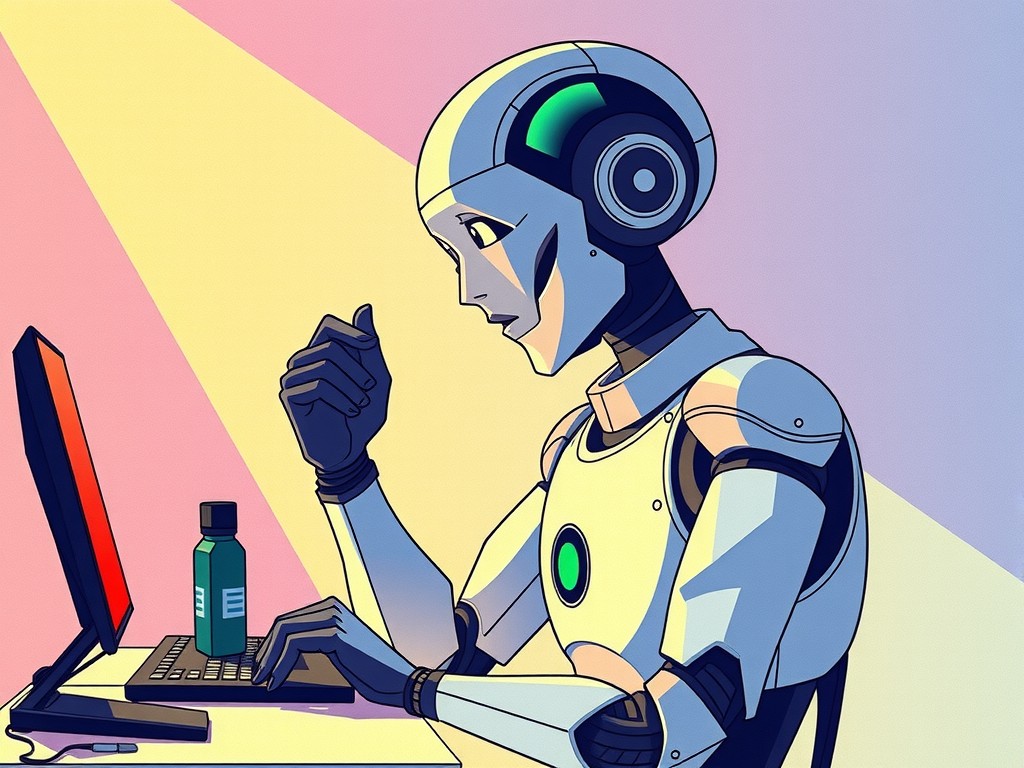
To understand the practical implications of AI on freelance creative work, let's consider a few scenarios. Imagine a freelance writer who uses an AI-powered tool to generate article ideas and suggestions for content. The writer inputs a topic and the AI tool generates a list of potential article titles, summaries, and even draft content. The writer can then review and edit the content, using the AI tool as a starting point for their creative work.
Alternatively, imagine a freelance graphic designer who uses an AI-powered tool to generate design concepts and mockups. The designer inputs a brief and the AI tool generates a range of design options, including color schemes, typography, and composition. The designer can then review and refine the design concepts, using the AI tool as a starting point for their creative work.
In both scenarios, the AI tool is used as a tool to augment the creative process, rather than replace it. The human creative is still involved in the process, but they have the benefit of using AI to streamline their workflow and generate ideas.
Impact on the creative industry
The impact of AI on the creative industry is likely to be significant, with both positive and negative consequences. On the one hand, AI-powered tools can help freelance creatives increase their productivity and efficiency, allowing them to take on more projects and clients. This can lead to increased demand for creative services, as businesses and individuals look for ways to leverage the benefits of AI in their marketing and branding efforts.
On the other hand, the use of AI-powered tools for content creation can raise questions about the role of human creatives in the creative process. If AI can generate high-quality content, do freelance creatives still need to be involved in the creative process? This can lead to a shift in the way creative work is valued and compensated, with AI-generated content potentially being seen as a cheaper alternative to human-created content.
FAQ
Q: Will AI replace human creatives?
A: While AI-powered tools can automate certain tasks and generate content, it is unlikely that AI will completely replace human creatives. AI is best suited for repetitive tasks and generating ideas, while human creatives bring a level of nuance and creativity that AI systems cannot replicate.
Q: Can AI-generated content be used in professional settings?
A: Yes, AI-generated content can be used in professional settings, but it is essential to ensure that the content is accurate, relevant, and meets the client's needs. AI-generated content should be reviewed and edited by a human creative to ensure that it meets the required standards.
Q: How can freelance creatives adapt to the changing landscape of their field?
A: Freelance creatives can adapt to the changing landscape of their field by learning about AI-powered tools and how to use them effectively. They should also focus on developing their creative skills, such as writing, design, and problem-solving, to stay ahead in the industry.
Q: What are the potential risks of using AI-powered tools for content creation?
A: The potential risks of using AI-powered tools for content creation include the risk of AI-generated content being mistaken for human-created content, and the potential for AI to replace human creatives in the creative process. Freelance creatives should be aware of these risks and take steps to mitigate them.
Conclusion
The impact of AI on freelance creative work is a complex and multifaceted issue. While AI-powered tools can help freelancers increase their productivity and efficiency, they also raise questions about the role of human creatives in the creative process. To stay ahead in the industry, freelance creatives need to adapt to the changing landscape of their field and learn about AI-powered tools and how to use them effectively. By focusing on developing their creative skills and staying up-to-date with the latest trends and technologies, freelance creatives can continue to thrive in a world where AI is increasingly prevalent.