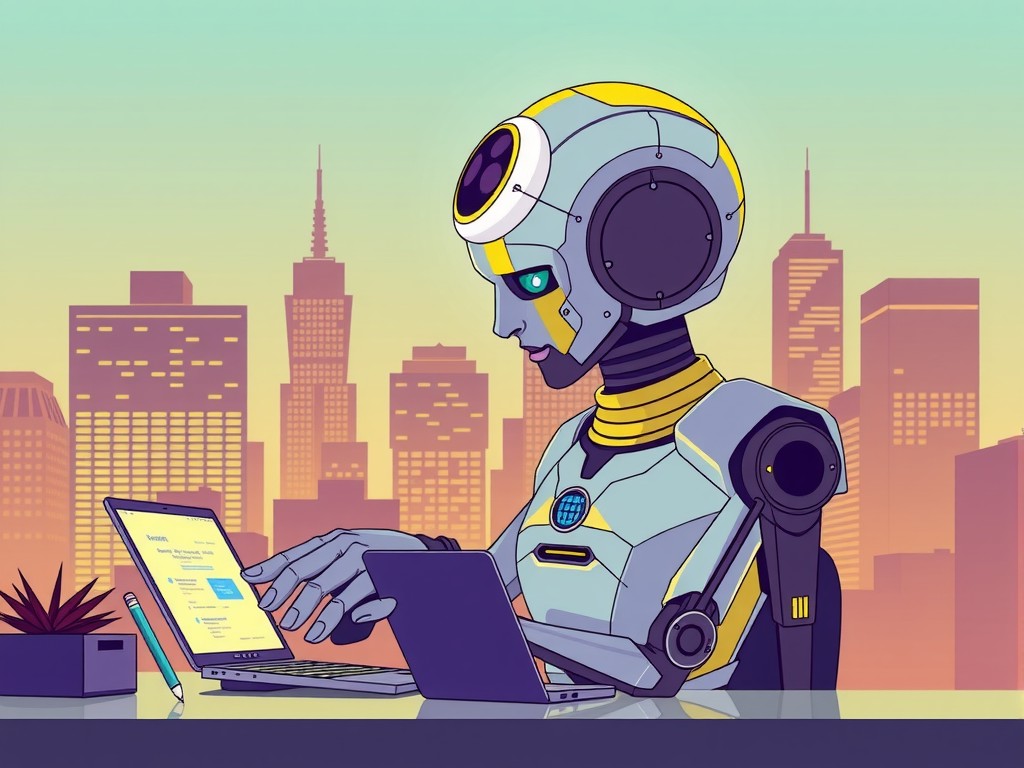
In recent years, the integration of Artificial Intelligence (AI) into Software as a Service (SaaS) has become increasingly popular among businesses and entrepreneurs. This trend is driven by the promise of enhanced customer experiences, improved operational efficiency, and increased revenue streams. By harnessing the power of AI, SaaS companies can differentiate themselves in a crowded market, stay ahead of the competition, and create new opportunities for growth. However, integrating AI into a SaaS requires careful planning, execution, and ongoing maintenance. In this article, we will explore the best practices for integrating AI into your SaaS, highlighting the key concepts, practical implications, and real-world examples.
Key concepts
Before we dive into the best practices, it's essential to understand the key concepts involved in integrating AI into a SaaS. AI refers to the development of computer systems that can perform tasks that would typically require human intelligence, such as learning, problem-solving, and decision-making. In the context of SaaS, AI can be applied in various ways, including:
Machine Learning (ML): A subset of AI that involves training algorithms on data to make predictions or take actions. ML can be used for tasks such as customer segmentation, predictive analytics, and content recommendation.
Natural Language Processing (NLP): A branch of AI that deals with the interaction between computers and humans in natural language. NLP can be used for chatbots, voice assistants, and text analysis.
Computer Vision: A field of AI that focuses on image and video processing. Computer vision can be used for tasks such as image recognition, object detection, and facial analysis.
In addition to these technical concepts, it's also essential to understand the business and organizational implications of integrating AI into a SaaS. This includes:
Data Management: AI requires large amounts of high-quality data to function effectively. SaaS companies must ensure they have a robust data management system in place to collect, store, and analyze data.
Integration: AI systems must be integrated with existing SaaS infrastructure, including databases, APIs, and user interfaces. This requires careful planning and execution to ensure seamless interactions.
Security: AI systems can introduce new security risks, such as data breaches and algorithmic bias. SaaS companies must ensure they have robust security measures in place to protect customer data and prevent potential threats.
Practical implications
The integration of AI into a SaaS has significant practical implications for businesses and entrepreneurs. Some of the key benefits include:
Improved Customer Experiences: AI-powered chatbots and virtual assistants can provide 24/7 customer support, reducing response times and improving customer satisfaction.
Increased Efficiency: AI can automate routine tasks, freeing up human resources for more strategic and creative work.
Enhanced Decision-Making: AI-powered analytics can provide insights and recommendations to inform business decisions, reducing the risk of human bias and improving outcomes.
However, integrating AI into a SaaS also presents challenges, including:
Data Quality: AI requires high-quality data to function effectively. Poor data quality can lead to inaccurate predictions and poor decision-making.
Algorithmic Bias: AI systems can perpetuate biases and stereotypes, leading to unfair outcomes and damaged reputations.
Dependence on Technology: SaaS companies that rely too heavily on AI may find themselves vulnerable to technical failures and disruptions.
How it works in practice
To illustrate the practical implications of integrating AI into a SaaS, let's consider a real-world example. Suppose a SaaS company, "CustomerHub," offers a customer relationship management (CRM) platform for small businesses. CustomerHub wants to integrate AI into its platform to provide personalized customer support and recommendations.
To achieve this, CustomerHub's development team uses a ML algorithm to analyze customer data, including purchase history, browsing behavior, and contact information. The algorithm is trained on a large dataset of customer interactions, allowing it to learn patterns and relationships that can inform customer support and recommendations.
The AI system is then integrated with the CustomerHub platform, using APIs and APIs to access customer data and provide real-time support and recommendations. The system is trained and tested to ensure it is accurate and unbiased, with human oversight to prevent potential errors.
In practice, the AI system works as follows:
Customer Interaction: A customer contacts CustomerHub's support team via email or phone.
Data Analysis: The AI system analyzes customer data to identify patterns and relationships that inform support and recommendations.
Recommendations: The AI system provides personalized recommendations to the customer, such as product suggestions or support articles.
Follow-up: The AI system tracks customer interactions and updates recommendations in real-time.
FAQ
Q: What are the benefits of integrating AI into a SaaS?
A: Integrating AI into a SaaS can provide improved customer experiences, increased efficiency, and enhanced decision-making. AI can automate routine tasks, provide 24/7 customer support, and offer insights and recommendations to inform business decisions.
Q: What are the challenges of integrating AI into a SaaS?
A: Integrating AI into a SaaS can present challenges related to data quality, algorithmic bias, and dependence on technology. SaaS companies must ensure they have robust data management systems, integrate AI systems seamlessly with existing infrastructure, and implement robust security measures to prevent potential threats.
Q: How do I get started with integrating AI into my SaaS?
A: To get started, identify areas where AI can add value to your SaaS, such as customer support or predictive analytics. Develop a clear strategy and roadmap for integrating AI, including data management, integration, and security considerations. Partner with AI experts and vendors to ensure successful implementation and ongoing maintenance.
Conclusion
Integrating AI into a SaaS requires careful planning, execution, and ongoing maintenance. By understanding key concepts, practical implications, and real-world examples, SaaS companies can harness the power of AI to enhance customer experiences, increase efficiency, and drive growth. Whether you're just starting out or already have an established SaaS, integrating AI can be a game-changer for your business. With the right approach and support, you can unlock the full potential of AI and stay ahead of the competition in a rapidly evolving market.