Text-to-Video AI Explained: Capabilities and Limits
Admin
Introduction
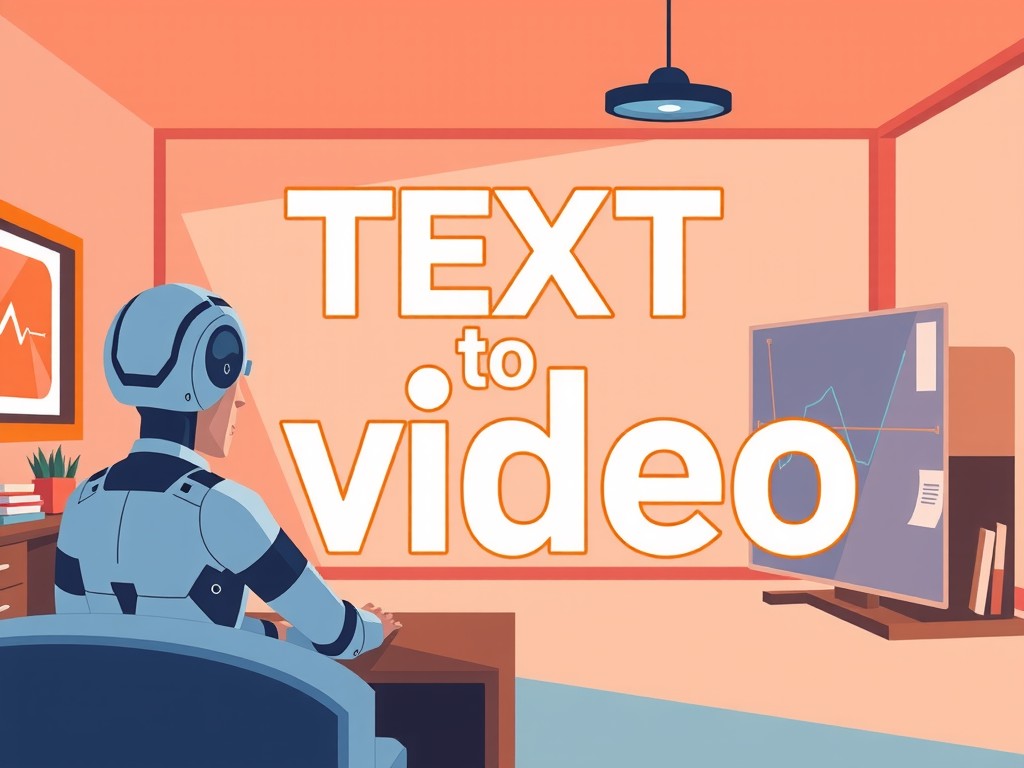
In recent years, artificial intelligence (AI) has revolutionized the way we create and consume content. From chatbots to virtual assistants, AI has become an integral part of our daily lives. One of the most exciting developments in the field of AI is the emergence of text-to-video AI, a technology that enables machines to generate videos directly from text inputs. This capability has the potential to transform the way we create, consume, and interact with video content. In this article, we will explore the capabilities and limits of text-to-video AI, its practical implications, and how it works in practice.
Key Concepts
Before we dive into the world of text-to-video AI, let's define some key concepts. AI, in general, refers to the simulation of human intelligence in machines that are programmed to think and learn like humans. Machine learning, a subset of AI, involves training algorithms to recognize patterns in data and make decisions based on that data. In the context of text-to-video AI, machine learning algorithms are trained on vast amounts of text data and video footage to learn the relationships between words and images.
Text-to-video AI is a form of machine learning that uses natural language processing (NLP) and computer vision to generate videos from text inputs. NLP is a subfield of AI that deals with the interaction between computers and humans in natural language. It involves the analysis, understanding, and generation of human language. Computer vision, on the other hand, is a field of study that focuses on enabling machines to interpret and understand visual information from the world. In the case of text-to-video AI, computer vision is used to generate images and videos based on the text input.
Capabilities
Text-to-video AI has the potential to revolutionize the way we create and consume video content. Some of its key capabilities include:
Content creation: Text-to-video AI can generate videos for various purposes, such as explainer videos, educational content, product demos, and more. This can save time and resources for content creators and businesses.
Personalization: AI-generated videos can be tailored to individual preferences, making them more engaging and effective.
Accessibility: Text-to-video AI can create videos in multiple languages, making content more accessible to a global audience.
Scalability: AI-generated videos can be produced at a much faster rate than traditional video production methods, making them ideal for large-scale content creation.
Applications
Text-to-video AI has a wide range of applications across various industries, including:
Education: AI-generated videos can be used to create interactive lessons, quizzes, and assessments.
Marketing: Businesses can use text-to-video AI to create product demos, explainer videos, and social media content.
Healthcare: AI-generated videos can be used to create educational content, patient engagement materials, and medical training simulations.
Gaming: Text-to-video AI can be used to create interactive game content, such as character animations and in-game videos.
Practical Implications
The emergence of text-to-video AI has significant practical implications for various industries and individuals. Some of these implications include:
Job displacement: AI-generated videos may displace jobs in the video production industry, such as scriptwriters, editors, and animators.
Content quality: AI-generated videos may lack the quality and nuance of human-created content, potentially affecting viewer engagement and satisfaction.
Intellectual property: The use of text-to-video AI raises questions about intellectual property rights, ownership, and copyright.
Bias and diversity: AI-generated videos may perpetuate biases and lack diversity in representation, potentially affecting audience engagement and satisfaction.
How it Works in Practice
So, how does text-to-video AI work in practice? Let's take a closer look at the process:
1. Text input: A user inputs a text script or description of a video into a text-to-video AI tool.
2. NLP analysis: The text input is analyzed using NLP algorithms to understand the context, tone, and style of the content.
3. Computer vision: The analyzed text is then processed using computer vision algorithms to generate images and videos based on the text input.
4. Video generation: The generated images and videos are then combined to create a final video product.
Challenges and Limitations
While text-to-video AI has the potential to revolutionize the way we create and consume video content, it is not without its challenges and limitations. Some of these limitations include:
Quality and accuracy: AI-generated videos may lack the quality and accuracy of human-created content, potentially affecting viewer engagement and satisfaction.
Contextual understanding: AI algorithms may struggle to understand the context and nuances of human language, potentially leading to errors and inaccuracies.
Diversity and bias: AI-generated videos may perpetuate biases and lack diversity in representation, potentially affecting audience engagement and satisfaction.
Scalability and cost: While AI-generated videos can be produced at a faster rate than traditional video production methods, they may still require significant resources and investment.
FAQ
Q: Is text-to-video AI a replacement for human video creators?
A: Not yet. While text-to-video AI has the potential to revolutionize the way we create and consume video content, it is still a tool that can augment and assist human creators, rather than replace them entirely.
Q: Can text-to-video AI create high-quality videos?
A: Yes, but the quality of AI-generated videos depends on the quality of the input text, the complexity of the content, and the specific AI algorithm used.
Q: Is text-to-video AI biased?
A: Like all AI systems, text-to-video AI is not immune to bias. However, developers and users can take steps to mitigate bias and ensure diversity and representation in AI-generated videos.
Q: Can I use text-to-video AI to create copyrighted content?
A: No, you should not use text-to-video AI to create copyrighted content without permission or proper licensing. AI-generated videos may be subject to copyright laws and regulations.
Conclusion
Text-to-video AI is a revolutionary technology that has the potential to transform the way we create and consume video content. While it has many capabilities and applications, it also has its challenges and limitations. As the technology continues to evolve, it is essential to consider the practical implications and address the limitations to ensure that AI-generated videos are of high quality, accurate, and engaging. By understanding the capabilities and limits of text-to-video AI, we can harness its potential to create innovative and effective video content that resonates with audiences worldwide.