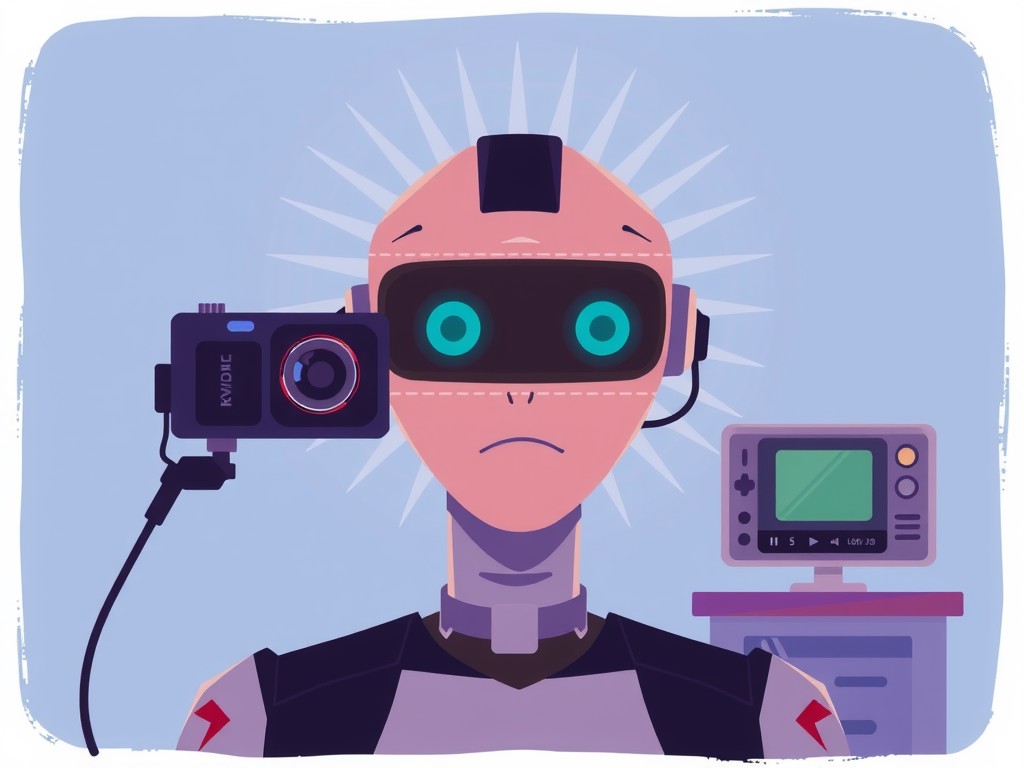
The rise of Artificial Intelligence (AI) has revolutionized the way we create content, and the latest innovation in this space is the emergence of text-to-video AI. This technology allows users to convert written text into engaging video content, opening up new possibilities for content creators, marketers, and businesses. However, with the increasing demand for AI-powered solutions, many companies are now offering text-to-video AI tools, but not all of them are created equal. In this article, we will delve into the world of text-to-video AI and explore what actually works on a budget.
Key Concepts
To understand the concept of text-to-video AI, it's essential to grasp the underlying technology. Text-to-video AI is a type of machine learning algorithm that uses natural language processing (NLP) and computer vision to generate video content from written text. This technology involves several key components, including:
Text analysis: The AI system analyzes the input text to identify the key points, tone, and style.
Video generation: The AI system uses the analyzed text to generate the video content, including the script, visuals, and audio.
Post-processing: The AI system refines the generated video to ensure it meets the desired quality and style.
There are several types of text-to-video AI, including:
Static image generation: This type of AI generates static images from text, which can then be used to create a video.
Animated video generation: This type of AI generates animated videos from text, using techniques such as 2D animation or 3D modeling.
Live-action video generation: This type of AI generates live-action videos from text, using techniques such as lip syncing or object replacement.
Practical Implications
The practical implications of text-to-video AI are vast and varied. For content creators, this technology offers a new way to create engaging video content without the need for expensive equipment or a large team. For marketers, text-to-video AI provides a cost-effective way to produce high-quality video content for social media, advertising, and other marketing channels. For businesses, text-to-video AI can help automate the content creation process, freeing up resources for more strategic tasks.
One of the most significant benefits of text-to-video AI is its ability to save time and money. Traditional video production methods can be costly and time-consuming, requiring a large team of professionals and expensive equipment. In contrast, text-to-video AI can produce high-quality video content in a fraction of the time and cost.
However, text-to-video AI also raises several concerns. For example, the quality of the generated content may not be as high as human-created content, and the AI system may struggle to understand the nuances of human language. Additionally, the use of text-to-video AI may lead to the homogenization of content, as AI-generated videos may look and feel similar.
How it Works in Practice
To demonstrate the practical applications of text-to-video AI, let's consider a scenario. Imagine a small business owner who wants to create a promotional video for their new product. They have a limited budget and no experience in video production. Using text-to-video AI, they can simply type in the script for their video and let the AI system generate the content.
The business owner starts by writing a script for their video, including the key points, tone, and style. They then upload the script to a text-to-video AI platform, which analyzes the text and generates the video content. The AI system uses a combination of natural language processing and computer vision to create the script, visuals, and audio for the video.
Once the AI system has generated the video, the business owner can review and edit the content to ensure it meets their needs. They can also add their own branding, music, and effects to make the video more engaging.
In this scenario, the text-to-video AI has saved the business owner time and money by automating the content creation process. The AI system has also helped to ensure that the video content is high-quality and engaging, without the need for expensive equipment or a large team.
Choosing the Right Tool
With so many text-to-video AI tools available, choosing the right one can be overwhelming. When selecting a tool, consider the following factors:
Quality of output: Look for tools that can produce high-quality video content that meets your needs.
Ease of use: Choose tools that are user-friendly and easy to navigate, even for those with limited technical expertise.
Cost: Consider the cost of the tool and whether it fits within your budget.
Features: Look for tools that offer features such as animation, live-action video generation, and post-processing.
Some popular text-to-video AI tools include:
Lumen5: A cloud-based platform that uses AI to generate animated videos from text.
Raw Shorts: A platform that offers a range of text-to-video AI tools, including animation and live-action video generation.
InVideo: A cloud-based platform that uses AI to generate video content from text, including animations and live-action videos.
FAQ
Q: How accurate is text-to-video AI?
A: The accuracy of text-to-video AI depends on the quality of the input text and the complexity of the video content. While AI systems have made significant progress in recent years, they may still struggle to understand nuances of human language or generate high-quality video content in certain situations.
Q: Can I use text-to-video AI for commercial purposes?
A: Yes, many text-to-video AI tools offer commercial licenses that allow you to use the generated content for business purposes. However, be sure to check the terms and conditions of the tool to ensure you are complying with their usage policies.
Q: Can I customize the generated content?
A: Yes, most text-to-video AI tools offer customization options that allow you to edit the generated content to fit your needs. This may include adding your own branding, music, or effects to the video.
Q: Is text-to-video AI suitable for all types of content?
A: No, text-to-video AI may not be suitable for all types of content. For example, AI systems may struggle to generate high-quality video content for complex or nuanced topics, such as medical or technical subjects.
Conclusion
In conclusion, text-to-video AI is a powerful technology that offers a cost-effective way to create high-quality video content. While AI systems have made significant progress in recent years, they may still struggle to understand nuances of human language or generate high-quality video content in certain situations. When choosing a text-to-video AI tool, consider the quality of output, ease of use, cost, and features. By understanding the limitations and possibilities of text-to-video AI, you can unlock new possibilities for content creation and marketing.
As the demand for AI-powered solutions continues to grow, it's essential to stay up-to-date with the latest developments in text-to-video AI. Whether you're a content creator, marketer, or business owner, this technology has the potential to revolutionize the way you create and consume video content. By embracing the possibilities of text-to-video AI, you can unlock new opportunities for growth, engagement, and success.